The Dangers of Kratom Extracts: Understanding 7-OH and Kratom Addiction
In recent years, kratom has emerged as a widely available substance marketed as a natural alternative for pain relief, energy enhancement, and even opioid withdrawal management. While kratom powder has raised concerns among health authorities, a newer and far more dangerous form has appeared on the market: highly concentrated kratom extracts, particularly those containing 7-hydroxymitragynine (7-OH). At High Watch Recovery Center, we’re seeing an alarming increase in individuals seeking treatment for kratom addiction, especially involving these potent extracts.
If you or a loved one is struggling with kratom use, help is available. Our comprehensive addiction treatment programs address all forms of substance use disorder, including kratom addiction.
What is Kratom?
Kratom (Mitragyna speciosa) is a tropical tree native to Southeast Asia. Its leaves contain compounds that can produce both stimulant and opioid-like effects, depending on the dose. According to the Drug Enforcement Administration (DEA), kratom has been used traditionally in Southeast Asian countries for centuries, typically by chewing fresh leaves or brewing them into tea.
In the United States, kratom is sold in various forms:
- Dried powder from ground leaves
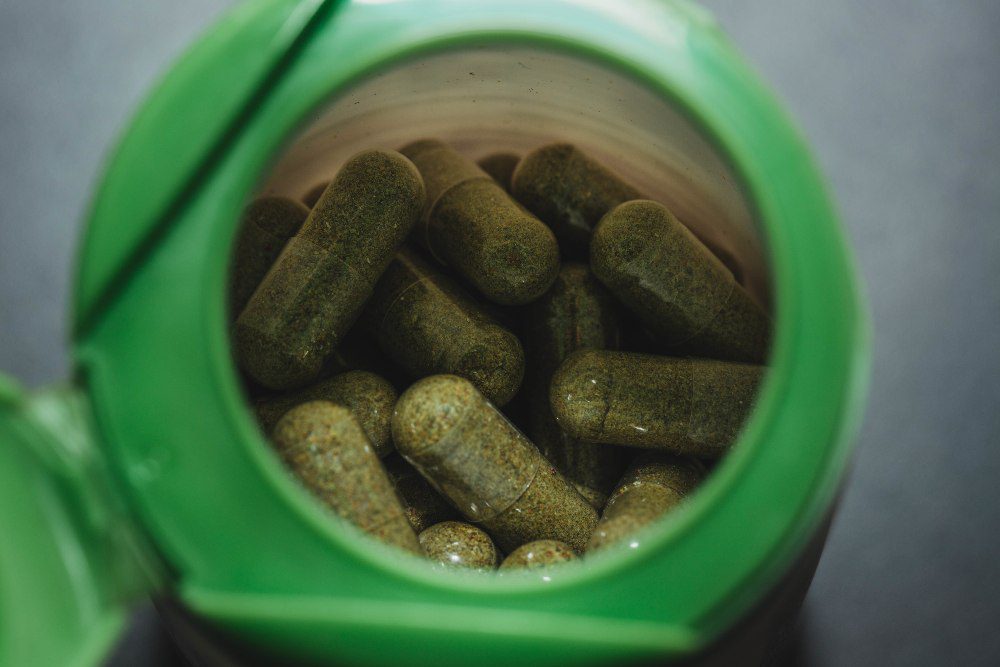
- Capsules containing powder
- Concentrated extracts
- Liquids and tinctures
- Enhanced products with added alkaloids
- Synthetic derivatives like 7-hydroxymitragynine
The Food and Drug Administration (FDA) has issued multiple warnings about kratom, stating that it has potential for abuse and addiction, and that there are significant safety concerns associated with its use.
How Kratom Affects the Brain
Kratom contains over 40 compounds, but the two primary alkaloids are:
Mitragynine: The most abundant alkaloid in kratom leaves, which acts as a partial opioid agonist and produces stimulant-like effects at lower doses.
7-Hydroxymitragynine (7-OH): A more potent opioid agonist that occurs naturally in small amounts but is the focus of concentrated extraction processes.
According to research published by the National Institute on Drug Abuse (NIDA), these alkaloids bind to opioid receptors in the brain, producing effects similar to opioids like morphine or oxycodone, including:
- Pain relief
- Euphoria
- Sedation
- Respiratory depression (at high doses)
- Physical dependence and addiction
What is 7-OH (7-Hydroxymitragynine)?
7-Hydroxymitragynine, commonly called 7-OH, is a naturally occurring alkaloid in kratom leaves, but it represents only a small percentage of the plant’s total alkaloid content—typically less than 2%. However, manufacturers have developed processes to extract and concentrate this compound, creating products that are exponentially more potent than traditional kratom powder.
The Potency Problem
Research published in the Journal of Medicinal Chemistry indicates that 7-hydroxymitragynine is approximately 13 times more potent than morphine at opioid receptors. Some studies suggest it may be even more potent than that.
Products marketed as kratom extracts can contain 7-OH concentrations that are:
- 10-20 times higher than natural kratom leaf
- Sometimes exceeding 50 times the natural concentration
- Inconsistent and unpredictable in actual content
- Often mislabeled regarding actual potency
This concentration creates a substance that functions essentially as a synthetic opioid, with all the associated risks of respiratory depression, overdose, and severe addiction.
The Growing Kratom Extract Market
Despite mounting evidence of dangers, kratom extracts containing high levels of 7-OH are widely available:
Where Kratom Extracts Are Sold
- Gas stations and convenience stores
- Smoke shops and vape stores
- Online retailers
- “Herbal supplement” shops
- Some nutrition stores
- Social media marketplaces
Deceptive Marketing
These products are often marketed with claims that are:
- Misleading about safety: Promoted as “natural,” “herbal,” or “plant-based” despite being highly concentrated synthetic-like compounds
- Unsubstantiated health claims: Advertised for pain relief, anxiety, depression, or opioid withdrawal without FDA approval
- Minimizing addiction risk: Presented as “non-addictive” or safer alternatives to prescription opioids
- Targeting vulnerable populations: Marketed to individuals with chronic pain or those trying to quit opioids
The FDA has issued warning letters to numerous companies making unsubstantiated claims about kratom products.
The Serious Dangers of Kratom Extracts and 7-OH
1. Severe Addiction and Dependence
The concentrated 7-OH in kratom extracts creates rapid physical dependence. According to the Substance Abuse and Mental Health Services Administration (SAMHSA), individuals can develop addiction characterized by:
- Compulsive use: Inability to control intake despite negative consequences
- Tolerance: Needing increasingly higher doses to achieve the same effects
- Withdrawal symptoms: Severe discomfort when stopping use
- Cravings: Intense urges to use
- Loss of control: Failed attempts to cut down or quit
- Continued use despite harm: Using despite physical, psychological, or social problems
Many individuals who started using kratom believing it was safe and non-addictive find themselves severely dependent within weeks or months, particularly when using concentrated extracts.
2. Dangerous Withdrawal Syndrome
When someone dependent on kratom extracts stops using, they experience withdrawal symptoms remarkably similar to opioid withdrawal. Research published in Drug and Alcohol Dependence documents that kratom withdrawal includes:
Physical Symptoms:
- Muscle aches and pain
- Tremors and jerking movements
- Severe sweating
- Watery eyes and runny nose
- Diarrhea and nausea
- Fever and chills
- Insomnia
- Restless legs
Psychological Symptoms:
- Severe anxiety
- Irritability and aggression
- Depression
- Intense cravings
- Mood swings
- Panic attacks
- Suicidal thoughts (in severe cases)
Withdrawal from high-potency kratom extracts can be more severe and prolonged than withdrawal from traditional kratom powder, often lasting 7-14 days or longer.
3. Respiratory Depression and Overdose Risk
Like other opioids, high doses of 7-OH can cause respiratory depression—slowed or stopped breathing—which can be fatal. The Centers for Disease Control and Prevention (CDC) reports:
- Kratom has been linked to numerous overdose deaths
- Most deaths involved kratom in combination with other substances
- The actual number of kratom-related deaths is likely underreported
- Concentrated extracts carry higher overdose risk than traditional powder
Between 2016-2017, poison control centers received over 1,800 reports of kratom exposure, representing a dramatic increase from previous years.
4. Contamination and Adulteration
The kratom market is largely unregulated, leading to serious safety concerns:
Contamination: The FDA has found kratom products contaminated with:
- Salmonella bacteria (causing multiple outbreaks)
- Heavy metals like lead
- Other harmful pathogens
Adulteration: Some products labeled as kratom have been found to contain:
- Synthetic opioids
- Other undisclosed substances
- Different concentrations than labeled
- Inconsistent potency between batches
This unpredictability makes every use potentially dangerous.
5. Cardiovascular Effects
Research in Clinical Toxicology documents cardiovascular effects from kratom use, including:
- Rapid heart rate (tachycardia)
- High blood pressure
- Heart palpitations
- Seizures
- In severe cases, cardiac arrest
These risks increase significantly with concentrated extracts and when combined with other substances.
6. Liver Damage
The National Institutes of Health (NIH) reports cases of kratom-induced liver injury, ranging from mild elevation of liver enzymes to acute liver failure requiring transplantation. Symptoms include:
- Jaundice (yellowing of skin and eyes)
- Dark urine
- Fatigue
- Nausea
- Abdominal pain
While rare, these cases highlight serious toxicity risks.
7. Polysubstance Use and Interactions
Many individuals combine kratom with other substances, dramatically increasing risks:
Kratom and Opioids: Combining these substances increases overdose risk and can cause fatal respiratory depression.
Kratom and Benzodiazepines: This combination severely depresses the central nervous system, increasing overdose risk.
Kratom and Alcohol: Both substances depress breathing and can lead to dangerous outcomes when combined.
Kratom and Stimulants: Some use stimulants to counteract kratom’s sedating effects, putting extreme stress on the heart.
Why Kratom Extracts Are Particularly Dangerous
Traditional kratom leaf, while problematic, contains a complex mix of alkaloids that may provide some built-in limitations to consumption. Concentrated 7-OH extracts eliminate these natural barriers:
Extreme Potency
When someone transitions from kratom powder to concentrated extracts:
- Tolerance skyrockets rapidly
- Addiction develops more quickly
- Withdrawal becomes more severe
- Risk of overdose increases dramatically
- Return to regular kratom powder no longer provides adequate effects
The Escalation Trap
Many individuals follow this dangerous progression:
- Start with kratom powder for pain or energy
- Develop tolerance requiring higher doses
- Discover more potent extracts
- Rapidly become dependent on high-potency products
- Experience severe withdrawal if supplies are interrupted
- Unable to function without the substance
- Financial problems due to expensive habit
- Health consequences mount
- Attempts to quit fail due to severe withdrawal
Marketing to Vulnerable Populations
Kratom extracts are often specifically marketed to individuals:
- Struggling with chronic pain
- Trying to quit prescription opioids
- Seeking “natural” alternatives to medication
- Experiencing anxiety or depression
- Looking for energy or focus enhancement
These vulnerable individuals may not realize they’re trading one addiction for another, potentially more dangerous, substance.
Recognizing Kratom Addiction
If you or a loved one is using kratom, particularly concentrated extracts, watch for these warning signs:
Behavioral Signs
- Using kratom daily or multiple times per day
- Inability to go without kratom without experiencing withdrawal
- Spending significant money on kratom products
- Obsessive thoughts about obtaining and using kratom
- Hiding or lying about kratom use
- Neglecting responsibilities due to use
- Continued use despite problems it causes
- Failed attempts to cut down or quit
- Needing increasingly higher doses for the same effects
- Switching to more potent forms (powder to extracts)
Physical Signs
- Nausea or vomiting
- Constipation
- Weight loss and decreased appetite
- Insomnia or irregular sleep patterns
- Tremors or shakiness
- Sweating
- Frequent urination
- Dark circles under eyes
- Poor hygiene or self-care
Psychological Signs
- Anxiety or irritability without kratom
- Depression
- Mood swings
- Difficulty concentrating
- Memory problems
- Decreased motivation
- Social isolation
Signs of Withdrawal
- Extreme discomfort when supply runs out
- Flu-like symptoms between doses
- Severe anxiety or panic without kratom
- Inability to function normally without use
- Desperate seeking behavior to avoid withdrawal
Learn more about recognizing signs of addiction.
The Myth of Kratom as Harm Reduction
Some advocates promote kratom as a “harm reduction” tool for opioid addiction. However, research and clinical experience reveal serious problems with this approach:
It’s Trading One Addiction for Another
While kratom’s effects on opioid receptors may temporarily ease opioid withdrawal, individuals typically develop kratom dependence, simply replacing one substance use disorder with another.
Kratom Isn’t Regulated or Consistent
Unlike medications approved for opioid use disorder treatment (like buprenorphine or methadone):
- Kratom products have no quality control
- Potency varies wildly between products and batches
- No medical oversight or dosing protocols exist
- Risk of contamination or adulteration
- No support services or counseling requirement
It May Delay Proper Treatment
Using kratom instead of seeking evidence-based treatment for opioid use disorder can:
- Delay access to FDA-approved medications
- Prevent engagement with comprehensive recovery services
- Maintain the cycle of daily substance dependence
- Increase risk if the person eventually relapses to more dangerous opioids
The Science Doesn’t Support It
According to the FDA, there is no reliable evidence that kratom is safe or effective for treating opioid withdrawal. The risks may outweigh any potential benefits, especially with concentrated extracts.
Comprehensive Treatment for Kratom Addiction at High Watch
If you’re struggling with kratom addiction, particularly dependence on concentrated extracts, professional treatment is essential. Our evidence-based, holistic approach addresses all aspects of kratom addiction.
Medical Detoxification
Kratom withdrawal, especially from high-potency extracts, can be extremely uncomfortable. Our medical detoxification program provides:
24/7 Medical Supervision: Our experienced medical team monitors vital signs and symptoms, ensuring safety and comfort throughout withdrawal.
Medication-Assisted Withdrawal: Appropriate medications can significantly ease withdrawal symptoms:
- Anti-nausea medications for digestive symptoms
- Sleep aids for insomnia
- Anti-anxiety medications for psychological symptoms
- Comfort medications for muscle aches and other physical discomfort
- In some cases, short-term use of buprenorphine to ease severe opioid-like withdrawal
Emotional Support: Withdrawal is physically and psychologically challenging. Our compassionate staff provides encouragement and reassurance throughout the process.
Safe, Comfortable Environment: Our peaceful campus in Connecticut’s Litchfield Hills provides a healing setting for detoxification.
Residential Treatment Program
Following detox, our intensive residential treatment program provides the foundation for lasting recovery. As the world’s first 12-Step treatment center, we integrate evidence-based clinical care with spiritual principles that have supported recovery since 1939.
Individual Therapy
Each guest works one-on-one weekly with a licensed therapist who provides:
Cognitive Behavioral Therapy (CBT): Research from the American Psychological Association demonstrates that CBT effectively treats addiction by:
- Identifying triggers for kratom use
- Developing healthy coping strategies
- Challenging thoughts that support continued use
- Building motivation for recovery
- Preventing relapse
Trauma-Informed Care: Many individuals turn to substances like kratom to cope with past trauma. Our trauma-informed approach addresses these root causes. Learn more about our trauma-focused treatment.
Motivational Enhancement: Helps strengthen personal motivation and commitment to recovery.
Pain Management Alternatives: For those who used kratom for pain, we help develop comprehensive pain management strategies that don’t involve addictive substances.
Group Therapy
Our comprehensive group therapy program includes:
Relapse Prevention: Learn to identify warning signs, recognize triggers, and develop concrete strategies for maintaining sobriety specific to kratom addiction.
Living Sober: Focus on practical skills for daily life without substances.
Stress Management: Learn healthy techniques for managing stress that may have contributed to kratom use.
The Impact of Trauma: Explore how past experiences may have contributed to substance use.
Community Meeting: Daily gathering that builds connection and mutual support with peers.
Dorm Reflections: Process experiences and support one another in peer groups.
Psychiatric Care
Our board-certified psychiatrist provides comprehensive evaluation and treatment for:
Co-occurring Mental Health Disorders: Many individuals using kratom have underlying conditions such as:
- Chronic pain syndromes
- Depression
- Anxiety disorders
- PTSD
- Other psychiatric conditions
According to the National Institute of Mental Health, integrated treatment of co-occurring disorders significantly improves outcomes.
Medication Management: When clinically appropriate, non-addictive medications may help manage:
- Depression or anxiety
- Chronic pain (non-opioid alternatives)
- Sleep disturbances
- Other psychiatric symptoms
The 12-Step Foundation
Recovery from kratom addiction, like all addictions, benefits from spiritual growth and connection. Our program integrates the principles of the 12 Steps:
12-Step Coaching: Each guest works one-on-one with an experienced coach on the first three steps, building a foundation for acceptance and spiritual growth.
Big Book Study: Daily exploration of the principles in “Alcoholics Anonymous.”
As Bill Sees It: Deep dive into spiritual insights supporting recovery.
Fourth Step Workshop: Our renowned workshop, led by “Big Book Bill” for over 20 years, provides structured support for moral inventory work.
Chapel: Daily opportunity to hear recovery stories from staff, inspiring hope.
Daily 12-Step Meetings: Nightly meetings help guests become comfortable with the fellowship that will support ongoing recovery.
Research from NIH confirms that 12-Step facilitation approaches produce excellent long-term outcomes.
Holistic and Experiential Therapies
Recovery involves healing the whole person—mind, body, and spirit.
Art Therapy: Our creative art therapy program provides safe space for self-expression and emotional processing. The American Art Therapy Association research shows that art therapy helps individuals access emotions in ways talk therapy alone cannot achieve.
Equine-Assisted Learning: Through our partnership with The Equus Effect, guests work with horses to develop emotional regulation, build confidence, and practice healthy communication.
Yoga: Our yoga program helps guests reconnect with their bodies, manage stress, and develop mindfulness. Harvard Medical School research demonstrates that yoga effectively reduces anxiety and supports recovery.
Nature-Based Activities: Weather permitting, guests can participate in:
- Nature hikes through the scenic Litchfield Hills
- Ropes course activities that build confidence
- Time at our working farm at Joy Farm
These activities help individuals rediscover healthy sources of pleasure and stress relief.
Addressing Chronic Pain
For individuals who turned to kratom for pain management, we help develop comprehensive, non-addictive pain management strategies:
- Physical therapy and movement
- Mindfulness-based pain management
- Non-opioid medications
- Cognitive strategies for pain
- Lifestyle modifications
- Acceptance and commitment therapy for chronic pain
- Referrals to pain specialists when appropriate
Family Education and Support
Kratom addiction affects entire families, and many loved ones don’t even know what kratom is. Our family treatment and education programs help families:
- Understand kratom and why it’s addictive
- Recognize that addiction is a disease
- Learn healthy communication skills
- Set appropriate boundaries
- Support recovery without enabling
- Address their own healing needs
Family involvement significantly improves outcomes.
The Continuum of Care for Lasting Recovery
Research from NIDA confirms that adequate treatment length is essential for good outcomes. High Watch offers a comprehensive continuum of care:
Residential Treatment
Our intensive residential program provides the foundation, with daily programming from 8:30 AM through nightly 12-Step meetings.
The Hilltop Partial Hospitalization Program (PHP)
Eligible guests may transition to The Hilltop PHP, which:
- Continues daily clinical programming on campus
- Provides off-campus housing with increased independence
- Maintains therapeutic support and structure
- Typically lasts 3-9 weeks
Online Intensive Outpatient Program (IOP)
Our virtual IOP helps maintain connection while transitioning home:
- Meets virtually three times weekly for six weeks
- Continues therapy and recovery education
- Provides accountability during transition
- Requires engagement in local support meetings
Extended Care Program
Guests who complete 45 days may apply for our Extended Care Program, allowing an additional three months at High Watch while contributing to campus operations and continuing treatment.
Life After Kratom: What Recovery Looks Like
Recovery from kratom addiction is absolutely possible. Thousands of individuals maintain long-term sobriety from kratom and live fulfilling, healthy lives. Success requires ongoing commitment:
Continue 12-Step Involvement
Regular attendance at 12-Step meetings provides ongoing support, accountability, and connection with others in recovery.
Maintain Professional Support
Continue working with:
- Individual therapist
- Psychiatrist if needed
- Primary care physician
- Recovery coach or sponsor
Develop Alternative Coping Strategies
Replace kratom use with healthy alternatives:
- Regular exercise for energy and mood
- Proper sleep hygiene
- Stress management techniques
- Mindfulness and meditation
- Healthy social connections
- Purposeful activities and hobbies
Address Underlying Issues
Continue working on the challenges that led to kratom use:
- Chronic pain management without addictive substances
- Treatment for depression or anxiety
- Stress reduction strategies
- Building self-esteem and life satisfaction
Avoid All Addictive Substances
As our family education materials explain, individuals with substance use disorder should avoid all mood-altering substances. Using kratom “just occasionally” or switching to another substance puts recovery at risk.
Warning: The Risk of Returning to Kratom
Many individuals who achieve initial sobriety from kratom experience thoughts about returning to use:
“I’ll just use regular powder, not extracts”: Tolerance remains elevated, and most people quickly escalate back to problematic use.
“I’ll only use it occasionally”: Addiction doesn’t allow for controlled occasional use. This typically leads to rapid relapse.
“I need it for pain”: Effective non-addictive pain management alternatives exist. Returning to kratom puts everything at risk.
“Maybe I wasn’t really addicted”: The brain can minimize past problems. Review your history honestly with your support system.
If you’re thinking about returning to kratom use, reach out to your support system immediately. These thoughts are normal but dangerous.
Getting Help Today
If you’re struggling with kratom addiction, especially involving concentrated extracts or 7-OH products, professional treatment can help you break free. Many people report feeling relieved to finally address the problem that has been controlling their life.
One guest shared: “I wasn’t sure when I arrived if I would do the program, now I am positive I have a new chance to make the years I have left to be sober, useful and enjoyable.”
Read more testimonials from guests who have found freedom from addiction at High Watch.
How to Start
Call Our Admissions Team: Our compassionate admissions specialists are available to:
- Answer questions about kratom addiction and treatment
- Conduct a confidential assessment
- Explain our programs and approach
- Discuss insurance coverage and payment options
- Arrange admission, often within 24-48 hours
We Accept Insurance: We work with most commercial insurance plans to make treatment affordable and accessible.
Contact Us: Call 860-321-6143 today to begin your recovery journey, or contact us online for more information.
For Professionals: If you’re a healthcare provider or other professional seeking to refer a client, visit our referring professionals page.
You Deserve Freedom from Kratom
Kratom addiction, particularly to concentrated extracts, can feel overwhelming. You may feel trapped in a cycle of daily use, withdrawal, and desperate seeking behavior. You may be spending money you don’t have on products that are harming your health. You may have tried to quit on your own and found the withdrawal unbearable.
You are not alone, and recovery is possible.
At High Watch Recovery Center, we understand kratom addiction and have the expertise to help you achieve lasting recovery. Our comprehensive, evidence-based program addresses every dimension of addiction—physical, psychological, social, and spiritual.
Our beautiful campus in Connecticut’s Litchfield Hills, experienced clinical team, and proven approach create an environment where healing can begin. Take the first step toward freedom today.
Additional Resources:
High Watch Recovery Center is located at 62 Carter Road in Kent, Connecticut, on 300 wooded acres in the beautiful Litchfield Hills. As the world’s first 12-Step treatment center, established in 1939, we have been helping individuals achieve lasting recovery from all forms of addiction for over 80 years.