Drug & Alcohol Detox Center in Connecticut
The First Step in the Road to Recovery
Detoxification, or detox, is often just the first step in a long-term substance use treatment plan. Detoxification allows the body to rid itself of the drugs or alcohol that have been consumed. This process can be dangerous, as withdrawal from some substances can be life-threatening. For this reason, detox should always take place under medical supervision.
After detoxification, our guests will transition to our inpatient residential treatment program. This program is designed to help guests overcome their addiction and prepare for a life of sobriety. Our inpatient drug rehab program includes individual and group therapy, as well as a variety of other activities and services.
At High Watch Recovery Center, we tailor our care to each individual’s unique needs in our brand-new detox facility. Our goal is to help you detox safely and comfortably, and to prepare you for a successful recovery.
After detox, you will be ready to start a residential treatment plan. Detox is just the first step on the road to recovery.
About High Watch's Detox Center
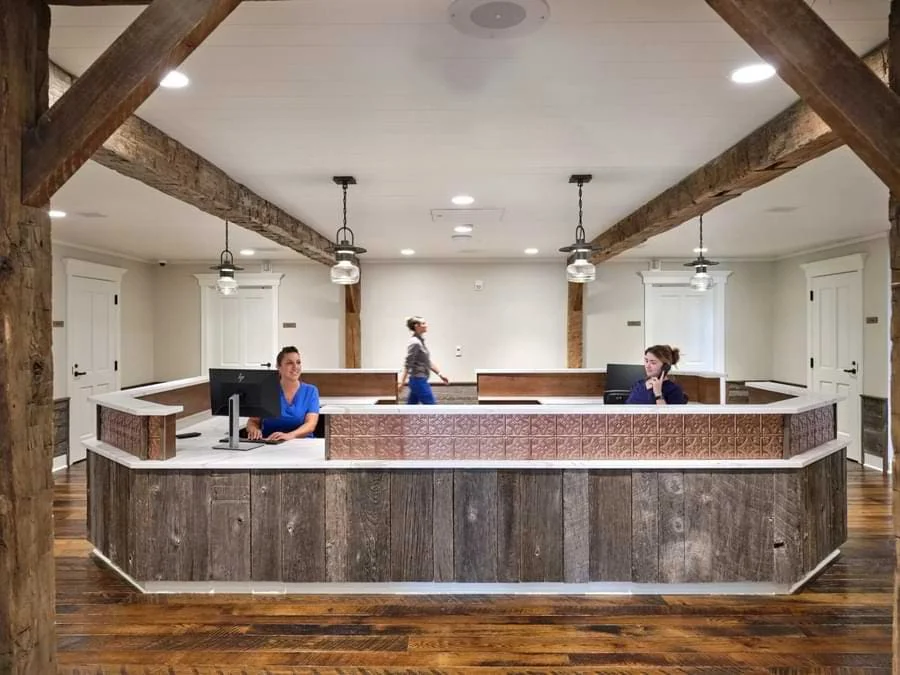
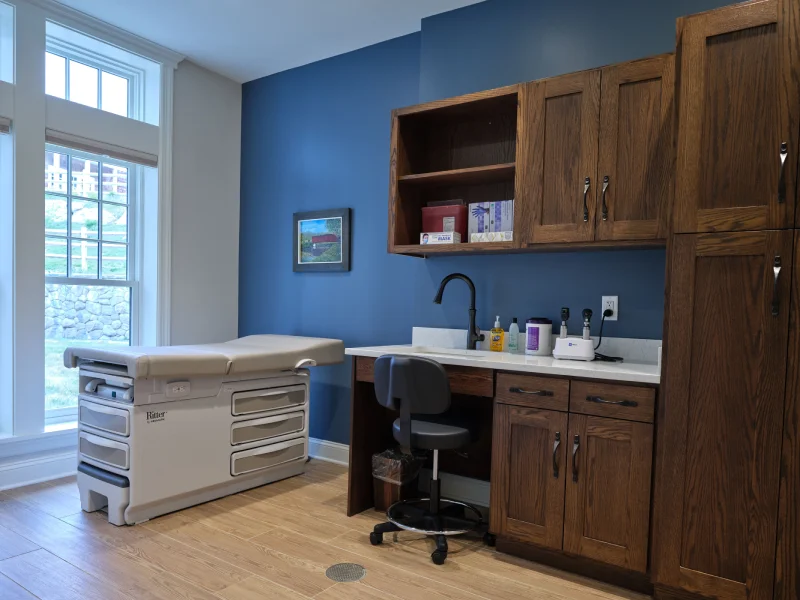
Opened in 2022, our detox center may be the most beautiful in the nation. We believe it is important that our guests feel comfortable and cared for. Successful recovery is challenging, enough. Feeling institutionalized certainly doesn’t make it any easier.
So, our detox center is beautifully appointed. Persian rugs sit upon reclaimed hardwood floors. Oak beds are covered by beautiful patchwork quilts. Bathroom spaces are bright and spacious. Our guests feel at home.
Furniture and fixtures could never replace the highest quality clinical care, though. Our physicians and nursing staff are on-site and available to ensure that guests are safe and healthy and to help them with whatever they need whenever they need it.
In addition, our guests begin seeing their therapist during their stay in detox, as opposed to waiting until they are transferred to our residential program. Establishing this early relationship builds an early and essential bond of trust that is directly tied to successful recovery.
Take a Virtual Tour of the Detox Center








What Is Medical Detox?
Medical detox is the process of safely clearing drugs or alcohol from the body under 24-hour clinical supervision. It's the foundation of inpatient addiction treatment — and for several substances, including alcohol, benzodiazepines, and opioids, it's the safest way to begin recovery.
Unlike at-home or "social" detox, medical detox at High Watch includes round-the-clock monitoring by physicians and nursing staff, FDA-approved medications to manage withdrawal symptoms when appropriate, individualized comfort care, and a direct on-site transition into residential treatment once detox is complete.
Substances We Help You Safely Detox From
Withdrawal symptoms vary significantly depending on the substance, the length of use, and individual health factors. Our medical team builds an individualized detox plan based on each guest's history and presentation.
Alcohol Detox
Alcohol withdrawal is one of the few withdrawal syndromes that can be life-threatening. Severe alcohol dependence can lead to seizures, delirium tremens (DTs), and significant cardiovascular complications. Medical supervision during alcohol detox isn't optional for people with heavy, long-term use — it's a safety requirement. Our medical team uses evidence-based protocols to manage symptoms and reduce withdrawal risk.
Opioid Detox
Opioid withdrawal — from heroin, fentanyl, oxycodone, hydrocodone, and other prescription painkillers — is rarely life-threatening but is medically and psychologically intense. Symptoms typically include severe muscle aches, nausea, vomiting, anxiety, and cravings. Medication-assisted treatment (MAT) options such as buprenorphine may be used to ease the process safely.
Benzodiazepine Detox
Withdrawal from benzodiazepines like Xanax, Klonopin, Ativan, and Valium is medically serious and can include seizures in severe cases. Benzodiazepine detox requires a slow, medically supervised taper rather than abrupt discontinuation. Attempting to stop "cold turkey" at home is dangerous.
Stimulant Detox
Withdrawal from cocaine, methamphetamine, and prescription stimulants is primarily psychological — intense depression, fatigue, anhedonia, and strong cravings. While stimulant withdrawal isn't typically life-threatening, the psychological intensity benefits significantly from a supervised, supportive environment.
Polysubstance Detox
It's increasingly common for guests to enter detox using more than one substance — often combining opioids with benzodiazepines, alcohol, or stimulants. Our medical team adjusts the detox protocol to safely manage withdrawal from each substance simultaneously.
What to Expect During Detox at High Watch
Admission and medical evaluation. Detox begins with a comprehensive physical and psychiatric evaluation, conducted by our medical staff to identify any urgent issues, review the full substance use history, and build an individualized care plan.
Stabilization. Our team monitors withdrawal symptoms continuously, administers comfort medications as appropriate, and adjusts the protocol in real time based on how the guest is responding. Vital signs are tracked around the clock.
Comfort and dignity. Our purpose-built detox facility opened in 2022 and was designed specifically to feel like a home, not a hospital — private rooms with hardwood floors, oak beds, patchwork quilts, and bright, spacious bathrooms. Successful recovery is hard enough; we don't believe the environment should make it harder.
Early therapeutic relationship. Unlike most detox programs, guests at High Watch begin meeting with their assigned therapist during detox itself — not after transfer to residential. That early bond is directly tied to better outcomes.
Seamless transition to residential. When detox is complete, guests move directly into our residential addiction treatment program on the same 300-acre campus in Kent, CT. There's no transfer between facilities, no gap in care, and no break in clinical relationships.
How Long Does Detox Last?
Detox at High Watch typically lasts 3 to 7 days, though the exact length depends on:
- The substance(s) being withdrawn from
- The length and severity of use
- Individual medical and psychiatric factors
- How the guest responds to the protocol
Alcohol and short-acting opioid detox often complete within 3 to 5 days. Benzodiazepine detox can take longer — sometimes a week or more — due to the slow taper required for safety. Our medical team determines readiness for transition based on clinical stability, not a calendar.
Why Medical Supervision Matters
Detoxing at home or without clinical oversight carries real risks, particularly for alcohol and benzodiazepine withdrawal where complications can be severe. Beyond physical safety, unsupervised detox has dramatically higher relapse rates — the discomfort, anxiety, and cravings of withdrawal are difficult to manage without clinical support, and most people who attempt to detox alone return to use within days.
Medical detox provides three things home detox can't:
- Safety — 24-hour medical staff to manage complications and administer appropriate medications.
- Comfort — evidence-based protocols that significantly reduce the severity of withdrawal symptoms.
- Continuity — direct transition into ongoing addiction treatment, which is the strongest predictor of long-term recovery.
Insurance Coverage for Detox in Connecticut
Most commercial insurance plans cover medically supervised detox as part of substance use disorder treatment, including Anthem Blue Cross Blue Shield (in-network at High Watch), Cigna, Aetna, and United Healthcare. Our admissions team will verify your insurance coverage at no cost before your arrival.
Call 860-927-3772 to verify your benefits and schedule admission.
Frequently Asked Questions
How long does drug and alcohol detox take? Detox at High Watch typically lasts 3 to 7 days, depending on the substance, length and severity of use, and individual response to treatment. Our medical team determines when each guest is clinically stable enough to transition to residential care.
Is detox at High Watch medically supervised? Yes. Our detox facility is staffed by on-site physicians and nursing care 24 hours a day. Vital signs, withdrawal symptoms, and overall stability are monitored continuously throughout detox.
What substances does High Watch treat in detox? We provide medical detox for alcohol, opioids (including heroin, fentanyl, and prescription painkillers), benzodiazepines (Xanax, Klonopin, Ativan, Valium), stimulants (cocaine, methamphetamine), and polysubstance use.
Can I detox from alcohol at home? Detoxing from alcohol at home is not recommended for anyone with significant or long-term dependence. Alcohol withdrawal can cause seizures, delirium tremens, and other life-threatening complications. Medical supervision substantially reduces these risks.
Does insurance cover detox? Yes. Most commercial insurance plans cover medically supervised detox as part of substance use disorder treatment. High Watch is in-network with Anthem Blue Cross Blue Shield and accepts Cigna, Aetna, United, and most other major plans. Call 860-927-3772 to verify your specific coverage.
What happens after detox? Most guests transition directly from detox into our residential treatment program on the same campus. This continuity — same facility, same clinical team, same therapeutic relationships — is one of the strongest predictors of long-term recovery.
Is medication used during detox? When clinically appropriate, our medical team uses FDA-approved medications to ease withdrawal symptoms and reduce risk. The specific medications depend on the substance being withdrawn from and the individual's medical history.
How quickly can I get into detox at High Watch? We admit 365 days a year. Most guests can confirm an arrival date within 24 to 48 hours of their first phone call. There is no waiting list for qualified guests.