High Watch Recovery Addiction Treatment Programs
Explore Our Residential Treatment Program in Connecticut
Founded in 1939 as the world's first 12-Step treatment center, High Watch Recovery Center is a nonprofit addiction treatment center on 300 wooded acres in Kent, Connecticut, in the Litchfield Hills. High Watch offers medically supervised detox, residential treatment, a partial hospitalization program (PHP), extended care, and sober living for people with substance use disorders and co-occurring conditions such as depression, anxiety, and bipolar disorder. Its programs combine current clinical care in addiction medicine with the principles of the 12 Steps, and you can call admissions at (860) 927-3772 to check your insurance coverage.

High Watch Recovery Programs
High Watch Recovery offers a full continuum of care. From its campus in Kent, Connecticut, patients can move step by step from medical detox through residential treatment, partial hospitalization, intensive outpatient care and sober living as their recovery progresses.
Medical Detox
Our medically supervised detox program manages withdrawal from alcohol and drugs safely, with medications, 24/7 monitoring and emotional support to stabilize patients for the next stage of treatment.
Residential Treatment
Residential treatment at High Watch combines current addiction medicine and care for co-occurring conditions like depression, anxiety and bipolar disorder with the time-tested teachings of the 12 Steps, on 300 wooded acres in the Litchfield Hills.
Partial Hospitalization Programs
The Hilltop, our partial hospitalization program (PHP) for men who have completed at least 28 days of residential care, pairs daily clinical programming from 10 a.m. to 4 p.m. with home-like living and nightly AA meetings.
Intensive Outpatient Services
Our online intensive outpatient program (IOP) keeps people in structured clinical care and 12-Step support after residential or PHP, without having to live on campus.
Sober Living Connections
Once residential treatment is complete, guests can continue their recovery at Hope House, a working farm on more than 100 acres, or be connected with sober living options that support their return home.
“I wasn’t sure when I arrived if I would do the program, now I am positive I have a new chance to make the years I have left to be sober, useful and enjoyable. I am very lucky to have spent three weeks at High Watch.”
-Bill R.
Benefits of Inpatient Rehab at High Watch Recovery Center in Kent, CT
Benefits of Inpatient Rehab
Inpatient rehab provides round-the-clock care in a structured, substance-free setting where medical, clinical, and peer support work together throughout the day. For many people facing a substance use disorder, this level of immersion removes the daily triggers that make early recovery so difficult and creates the space to focus fully on healing.
- Medically supervised detox: Withdrawal medications and 24/7 monitoring ease the physical and emotional symptoms of stopping use, and research emphasizes that detox alone is not treatment but a critical first step into ongoing care (NIDA, 2020; SAMHSA, 2015). At High Watch, medically supervised detox is typically the entry point to a full continuum of care.
- A structured, trigger-free environment: NIDA identifies stress cues linked to use (people, places, things, and moods) as the most common triggers for relapse; inpatient care removes exposure to those cues during the most vulnerable early weeks (NIDA, 2020).
- Adequate treatment duration: Federal research finds that treatment lasting less than 90 days is of limited effectiveness, and that longer stays are generally associated with better outcomes (NIDA, 2018). Residential care makes an adequate length of stay achievable.
- Higher treatment retention: Remaining in treatment for an adequate period of time is one of NIDA's core principles of effective care, because people who stay engaged tend to have better results than those who leave early (NIDA, 2018).
- Integrated dual-diagnosis care: For the many people who live with both a substance use disorder and a co-occurring psychiatric condition, SAMHSA identifies integrated treatment, addressing both conditions together, as the evidence-based standard (SAMHSA, 2020a). High Watch provides dual diagnosis treatment alongside addiction care.
- Evidence-based, whole-person therapy: Inpatient programs deliver research-supported behavioral therapies, including cognitive behavioral therapy, contingency management, and motivational enhancement therapy, that help people recognize triggers, build coping skills, and address the medical, mental, and social needs behind their use (NIDA, 2020).
- 12-Step foundation and mutual-help support: A 2020 Cochrane review found that about 42% of people in manualized 12-Step facilitation programs were continuously abstinent one year later, compared with about 35% in other active treatments such as cognitive behavioral therapy (Kelly et al., 2020). As the world's first 12-Step treatment center, we integrate this time-tested support with clinical addiction medicine.
- Peer community and reduced isolation: Living and working through recovery alongside others facing the same challenges builds the social and complementary support that mutual-help programs are designed to provide (NIDA, 2020).
- Family involvement and repair: SAMHSA finds that involving family in substance use disorder treatment can improve engagement, retention, and outcomes while helping repair the relationships affected by addiction (SAMHSA, 2020b). We offer dedicated family treatment as part of the recovery process.
- A bridge to continuing care: Longer, actively delivered continuing care after residential treatment is associated with better substance use outcomes across follow-up periods (McKay, 2021). Inpatient care establishes the plan and connections that carry into aftercare and alumni support.
- Relapse-prevention skills for a chronic condition: Relapse rates for substance use disorders (40–60%) are similar to those for other chronic illnesses such as hypertension and asthma (50–70%); inpatient treatment builds the relapse-prevention skills needed to manage recovery over the long term (NIDA, 2020).
- A sound long-term investment: NIDA estimates that every dollar invested in addiction treatment yields a return of roughly $4 to $7 through reduced drug-related crime, with additional savings in healthcare costs (NIDA, 2018).
If you or a loved one is considering treatment, our admissions counselors are available 24/7.

12-Step Based Programming
High Watch was founded on the principles of the 12 Steps. Its history of over 80 years has strong connections to the fellowship of AA, and we continue to adhere to these practices and concepts to this day.
As Bill Sees It
"As Bill Sees It" explores the complex nature of sobriety, stressing surrender, humility, and connection with a Higher Power, while underscoring the rediscovery of purpose, healthier relationships, and renewed self-worth.
Fourth Step Workshop
Our very own Bill Gianesello, known as “Big Book Bill," has led our Fourth Step Workshop for over two decades. Bill creates a structured, supportive environment where guests can safely examine their past, moral inventory, and resentments.
Step 1, 2, 3 Workshop
Often coined the “HOW” of the 12-step program, this workshop helps guests build understanding of the first three steps: admitting powerlessness, recognizing a Higher Power, and surrendering to that power. Guests and alumni can also stay connected to the fellowship through our virtual 12-step meetings.

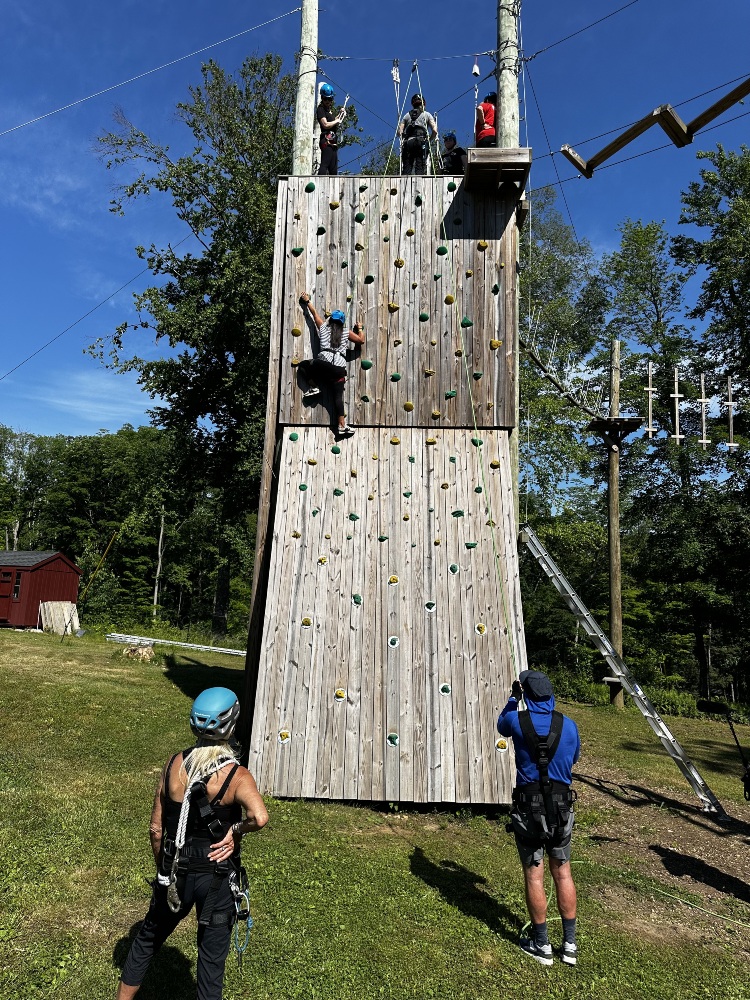
Movement-Based Therapies
High Watch adapts different options for guests to participate in movement-based therapies.
The Ropes Course (Weather Permitting)
High Watch features an extensive low and high ropes course just down the road from our residential campus. This presents guests with a supportive environment to confront fears, build communication and teamwork, and foster self-confidence through completing challenging obstacles.
Nature Hikes (Weather Permitting)
Guests have the chance to take advantage of the trails minutes from our campus in the scenic Litchfield Hills, offering peer support, connection, and a sense of community.
Yoga
High Watch features a beautiful yoga studio that offers classes for both men and women during the week. Yoga classes lower stress, soothe the nervous system, and teach emotional regulation and inner balance.
What to Expect During Inpatient Rehab in Connecticut
Length of Stay
Inpatient programs in Connecticut typically run 30, 60, or 90 days. Insurance often authorizes an initial 30-day stay with the possibility of clinical extension.
Daily Structure
A typical day includes morning community time, individual therapy, group programming, three meals served in our dining barn, experiential therapy, medical and psychiatric check-ins as needed, and evening recovery meetings.
Clinical Care
Each guest is assigned a primary therapist and works with a nursing and medical team, plus a dedicated 12-step coach who meets with them one-on-one.
Co-Occurring Disorder Treatment
Roughly half of people in treatment for substance use disorder also live with a mental health condition. Our licensed clinicians diagnose and treat depression, anxiety, bipolar disorder, and trauma as part of the core residential plan, not as an add-on.
Family Involvement
Recovery happens in the context of relationships. Our program includes family-focused therapy and education so loved ones can be part of the healing process.

Frequently Asked Questions About Inpatient Rehab
References
Kelly, J. F., Humphreys, K., & Ferri, M. (2020). Alcoholics Anonymous and other 12-step programs for alcohol use disorder. Cochrane Database of Systematic Reviews, 2020(3), Article CD012880. https://doi.org/10.1002/14651858.CD012880.pub2
McKay, J. R. (2021). Impact of continuing care on recovery from substance use disorder. Alcohol Research: Current Reviews, 41(1), 01. https://doi.org/10.35946/arcr.v41.1.01
National Institute on Drug Abuse. (2018). Principles of drug addiction treatment: A research-based guide (3rd ed.). U.S. Department of Health and Human Services, National Institutes of Health. https://archives.nida.nih.gov/publications/principles-drug-addiction-treatment-research-based-guide-third-edition
National Institute on Drug Abuse. (2020). Drugs, brains, and behavior: The science of addiction — Treatment and recovery. U.S. Department of Health and Human Services, National Institutes of Health. https://nida.nih.gov/publications/drugs-brains-behavior-science-addiction/treatment-recovery
Substance Abuse and Mental Health Services Administration. (2015). Detoxification and substance abuse treatment (Treatment Improvement Protocol [TIP] Series, No. 45). U.S. Department of Health and Human Services. https://store.samhsa.gov/product/tip-45-detoxification-and-substance-abuse-treatment/sma15-4131
Substance Abuse and Mental Health Services Administration. (2020a). Substance use disorder treatment for people with co-occurring disorders (Treatment Improvement Protocol [TIP] Series, No. 42). U.S. Department of Health and Human Services. https://store.samhsa.gov/product/tip-42-substance-use-treatment-persons-co-occurring-disorders/pep20-02-01-004
Substance Abuse and Mental Health Services Administration. (2020b). Substance use disorder treatment and family therapy (Treatment Improvement Protocol [TIP] Series, No. 39). U.S. Department of Health and Human Services. https://store.samhsa.gov/product/treatment-improvement-protocol-tip-39-substance-use-disorder-treatment-and-family-therapy/pep20-02-02-012