Posts by Dana Pollack, LCSW, LADC
PHP vs. IOP: How the Two Outpatient Levels of Care Differ

Partial hospitalization and intensive outpatient programs differ in three core ways: weekly treatment hours, level of medical oversight, and the severity of substance use disorder each is built to treat. Both let you sleep at home, not on a treatment campus. Where they diverge is how much daily structure your recovery needs. This guide is…
Read MoreAlcohol Rehab in Connecticut: Your Guide to Treatment Options
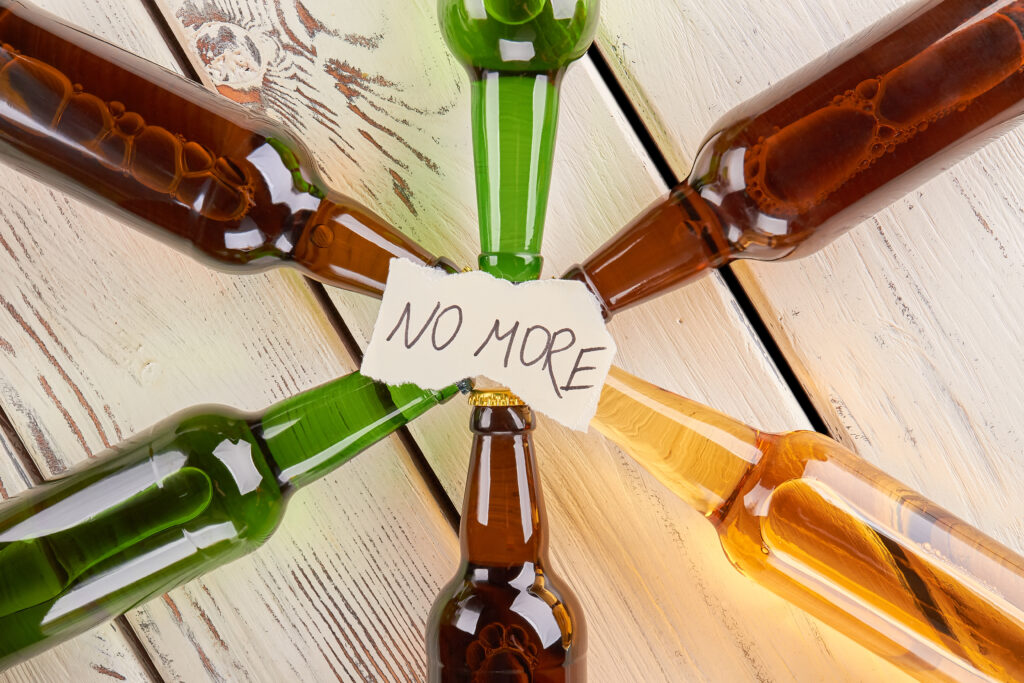
Alcohol rehab in Connecticut spans a full continuum of care — from medically supervised detox through residential inpatient treatment, partial hospitalization, intensive outpatient, and long-term recovery support. Knowing which level fits your situation is the most important step in building a plan that actually works. This guide covers the levels of care available through High…
Read MoreExecutive and Professional Recovery: Maintaining Career During Treatment

You’ve built an impressive career, and High Watch’s admissions team works specifically with professionals concerned about protecting it. Maybe you’re a C-suite executive leading a company, a partner at a law firm, a successful entrepreneur, a senior financial professional, or a high-level manager with significant responsibilities. You’re intelligent, accomplished, and competent—someone others look to…
Read MoreAddiction Treatment for Healthcare Professionals: Protecting Your License While Getting Help

You took an oath to care for others. You spent years in rigorous training to earn your credentials, and High Watch’s admissions team understands exactly what’s at stake for you professionally. Your professional identity defines who you are—physician, nurse, pharmacist, pilot, dentist, veterinarian. The thought of losing your license, your career, and your reputation feels…
Read MoreUnderstanding Relapse: What Families Need to Know

Relapse after addiction treatment involves a predictable emotional and behavioral progression, a set of identifiable warning signs, and a range of treatment responses — not a single failure that erases everything that came before. This guide is written for families of adults in treatment or recovery anywhere in the U.S. If you’re looking for High…
Read MoreThe Role of 12-Step Integration in Modern Addiction Treatment

When people hear “12-Step program,” they often think of church basements, coffee, and people introducing themselves with “Hi, I’m [name] and I’m an alcoholic” — a tradition central to High Watch’s program. While Alcoholics Anonymous (AA) and Narcotics Anonymous (NA) meetings certainly happen in church basements with plenty of coffee, the 12-Step approach represents far…
Read MoreFrom Detox to Extended Care: Understanding the Continuum of Recovery

When someone mentions “going to rehab,” most people picture a single 28 or 30-day stay at a treatment facility followed by returning home and resuming normal life. High Watch’s team often hears this assumption from families researching treatment for the first time. This simplified understanding misses a critical reality: effective addiction treatment isn’t a single…
Read MoreTaking Medical Leave for Addiction Treatment: What You Need to Know

The decision to seek addiction treatment is difficult enough without worrying about losing your job, your income, or your professional reputation. For many people, employment concerns represent one of the biggest barriers to getting help—you know you need treatment, but you can’t afford to lose your job, you’re worried about what to tell your employer,…
Read MoreWhen to Consider an Intervention: A Family Guide

You’ve watched someone you love spiral deeper into addiction. You’ve tried talking to them, pleading with them, even threatening consequences—nothing has worked, and reaching out to High Watch costs nothing. They deny the problem, make promises they don’t keep, or become angry when you express concern. If you’re at this point, know that guidance is…
Read MoreHow to Support Your Loved One’s Treatment Without Enabling

Watching someone you love struggle with addiction is one of life’s most painful experiences. When they finally enter treatment, you feel immense relief—and immediately want to do everything possible to support their recovery, whether they’re in High Watch’s program or another facility. High Watch treats many types of substance addiction, from alcohol to opioids. This…
Read MoreQuestions to Ask When Choosing a Residential Treatment Center

Choosing a residential treatment center for yourself or a loved one may be one of the most important healthcare decisions you’ll ever make. With thousands of addiction treatment facilities across the country—each claiming to offer effective care—how do you identify which program will provide the best chance for lasting recovery? The decision often feels urgent.…
Read MoreUnderstanding Insurance Coverage for Residential Addiction Treatment

Navigating insurance coverage for addiction treatment can feel overwhelming during an already stressful time. If you or a loved one needs residential treatment for substance use disorder, understanding how insurance works—and what to expect—can remove a significant barrier to getting help. The good news: Most private insurance plans cover addiction treatment as an essential health…
Read MoreWhat is Emotional Sobriety?

When most people think about sobriety, they think about abstaining from alcohol or drugs — the physical side that High Watch’s admissions team addresses first. While this physical sobriety is essential, it’s only the beginning of true recovery. At High Watch Recovery Center, we’ve been helping individuals achieve lasting recovery since 1939, and we understand…
Read MoreThe Dangers of Kratom Extracts: Understanding 7-OH and Kratom Addiction
Kratom has emerged as a widely available substance marketed as a natural alternative for pain relief, energy enhancement, and even opioid withdrawal management — a trend High Watch’s admissions team has seen firsthand. While kratom powder has raised concerns among health authorities, a newer and far more dangerous form has appeared on the market: highly…
Read MoreCan You Be Addicted to Adderall?

Adderall addiction develops through escalating doses, compulsive use despite consequences, and physical dependence that can affect anyone taking the medication — whether prescribed or not. This guide is written for adults in the United States, including people with a legitimate prescription and those using Adderall non-medically, along with the families supporting them. At High Watch…
Read MoreWhat is Holistic Addiction Treatment?

When facing substance use disorder, many people focus solely on stopping the use of drugs or alcohol. However, true recovery requires addressing the whole person—mind, body, and spirit. High Watch treats a broad range of substance addictions, from alcohol to opioids and stimulants. This comprehensive approach is known as holistic addiction treatment, and it has…
Read MoreWhat is Trauma-Informed Care in Addiction Treatment?

For many individuals struggling with substance use disorder, the roots of addiction extend far beyond the substance itself. Trauma—whether from childhood experiences, significant life events, or ongoing stressors—often plays a central role in the development and progression of addiction. At High Watch Recovery Center, we recognize this profound connection and have integrated trauma-informed care into…
Read MoreAm I a High Functioning Alcoholic? Signs, Risks & When to Get Help

If you’re questioning whether you or someone you care about might be a high functioning alcoholic, High Watch’s admissions team can help you sort through it — you’re not alone. This form of alcohol use disorder is more common than many realize, affecting people who appear successful on the outside while struggling with alcohol dependence…
Read MorePHP vs Residential

Deciding which level of addiction treatment is right for you can feel overwhelming. Two of the most common options—partial hospitalization programs (PHP) and residential treatment—offer comprehensive care but differ significantly in structure, intensity, and living arrangements. Understanding the key differences between PHP vs residential treatment can help you make an informed decision that supports your…
Read MoreRecipe of the Month: Red Lentil & Sweet Potato Cakes with Sweet & Spicy Tomato Jam

Yield: One 9 inch Cheesecake INGREDIENTS For the Lentil Cakes 1/2 Cup Red Lentils 1 1/2 Cup Water 2 Sweet Potatoes Small Piece of Ginger, grated with microplane 2 Garlic Cloves, grated with microplane 1 Jalapeño 1/4 Cup Mint, chopped 2 Tsp. Chaat Masala 1 Tsp. Ground Fennel 1/2 Tsp. Garam Masala 1 Tbsp.…
Read MoreAdvocacy and High Watch Recovery: Building Bridges for Positive Change

In the realm of addiction treatment, advocacy plays a pivotal role in shaping policies that enhance access to care, support, and recovery resources. High Watch Recovery Center, renowned as the world’s first 12-step treatment center, stands at the forefront of addiction treatment. Located in Kent, Connecticut, High Watch provides comprehensive care across all levels, focusing…
Read MoreRecipe of the Month: High Watch Cheesecake

Yield: One 9 inch Cheesecake 14 Servings | 20 Minutes INGREDIENTS Graham Cracker Crumbs 1 3⁄4 Cups Sugar 3 Tbs Salt Pinch Unsalted Butter (melted) 4 Tbs (1/2 stick) DIRECTIONS for the crust 1. To make the crust: Butter a 9-inch springform pan, at least 3 inches high, and wrap the outside of the…
Read MoreDeveloping Successful Recovery Habits
“In recovery, recovering addicts do more than lose their addictions. Usually, they regain enjoyment of life… Most individuals want to be happy. Addicts learn that they may be happy – even joyful – by appreciating their lives in recovery. Instead of killing themselves with their addictive substances, they live in freedom.” ~Dr. Francis A. Martin,…
Read MoreCan Sad Music Help with Depression?
You might be asking, why would someone who is struggling with depression want to listen to sad music? Most of us would suggest listening to something upbeat and cheerful! It’s not exactly the first thing we recommend when our friends are feeling down. But there’s actually some science behind this suggestion. And it’s related to…
Read MoreKeeping It Green On St. Patty’s Day
In AA we hear the phrase “keep it green” quite often. It is an important concept to maintain a beginners mind and remember where we came from no matter how long we’ve been sober for. The great thing is there are a lot of ways that you can keep it green on a daily basis…
Read MoreContinuing Care for Mental Health in Sobriety
Sobriety is an amazing journey, but the journey does not end when you put down the substance. One of the very first things I learned during my time at High Watch was during a Living Sober group. The group leader exclaimed “life is not all cupcakes and rainbows just because I got sober.” It wasn’t…
Read MoreHow Creativity Can Help With Recovery
People often labor under the delusion that using or abusing substances like drugs or alcohol help them “open their mind” or help them be “more creative”. Unfortunately, this is not true. For instance, the quote “write drunk, edit sober”, erroneously attributed to Ernest Hemingway, is not actually at all what the famous writer even said.…
Read MoreBeing a New Mom in Recovery

While 2020 was a difficult year for almost all of us, it was also the year I received the greatest gift of my sobriety, my son Aidan. I had always wanted to start a family but had given up hope of ever doing so while I was in active addiction. Aidan truly is the light…
Read MoreiCAAD Online 2020 and its Significance Amid COVID-19
RehabPath was one of the sponsors and exhibitors for this year’s iCAAD Online 2020, the world’s biggest conference on mental health and addiction. They wrote up a great article on the event, the exhibits, and some of the things that set this event apart from any other like this before. iCAAD is a platform “dedicated…
Read MoreHow to Avoid Feeling Isolated in Recovery
These are difficult times for all of us, and in recovery it can seem like things are spiraling backwards. Addiction is a disease of isolation, and being forced to physically isolate can have us stuck in our own heads again which can be dangerous. There are, however, certain steps we can take to prevent ourselves…
Read MoreMaintaining Your Sobriety During Stressful Situations – Like the Coronavirus Outbreak

Stress is ranked by most studies as among the most frequent causes of relapse. Many people in recovery turn back to their substance of choice when they are feeling overwhelmed with sudden, stressful events. Today’s outbreak of COVID-19 is similar to the days and weeks following the 9/11 terrorist attacks and we have much to…
Read MoreRecent Study finds AA Might Be the Most Effective Way to Abstinence
CNN published an article on March 11 about a recent study concluding that those who go through Alcoholics Anonymous may have the best chance at abstaining from alcohol after completion of the program. Over 10,000 participants were evaluated and 145 scientists conducted research in 35 studies to find out how effective AA was on alcohol…
Read MoreBattling the Winter Blues: Recovery During the Winter Months
The winter months are hard. The weather can be unbearable and there are minimal hours of daylight. Really, who wants to leave the house when it’s 10 degrees and your house is warm and cozy? All in all, it’s really no surprise that a seasonal funk can set in. But we can’t let the season…
Read MoreChristmas
The holiday season is a wonderful time of year, but it can also be incredibly stressful, especially for those of us in early recovery. Holidays are filled with family, parties, and shopping centers that are all but serene. These are a few of the suggestions that I picked up along the way that have helped…
Read MoreGiving Thanks
The dictionary defines gratitude as “the quality of being thankful; readiness to show appreciation for and to return kindness”, and this is definitely the season to practice gratitude in our daily lives. There is no argument that gratitude is an integral part of every recovery program. While it may not be written into AA’s twelve…
Read MoreWhat To Do When Your Friends Still Drink
It’s no secret that most alcoholics and addicts burn a lot of bridges in their journey towards their bottom. Believe it or not, a lot of us do emerge from the wreckage with a few friends and family members still by our side. The question then becomes, what do you do when those friends ask…
Read MoreOutreach
When you come to High Watch, you become an immediate part of our family. When you leave, that doesn’t end and we want to be with our alumni offering support throughout their entire lives. Just over a year ago, we developed a system to do just that by following up with alumni after they leave…
Read MoreDealing With a Loved One in Addiction
It’s Saturday evening and I’m on the couch with the dog watching something insignificant on TV when the phone rings. A few minutes later I hear “She’s been drinking again and is on her way over.” So, I get up and go to the kitchen to put on a pot of coffee. Maybe this time…
Read MoreMeeting Disenchantment
Leaving treatment and entering the real world is a big transition and it is very important to have support through this process. But what happens when you’ve been out on your own or living in a sober house for a while, and going to a meeting every day starts to become tedious and repetitive? Meeting…
Read MoreNew Podcast: Interview with Lori W. on Recovery, Life and Work
High Watch’s very first podcast is here!! Listen as Alumni Relations Coordinator, Jenn Worthington interviews Lori W about recovery, life and what it is like to work at High Watch! Meet the Author: Jenn Worthington, Alumni Relations Coordinator
Read MoreEnjoying your first SOBER Fourth of July
It’s no secret that the Fourth of July is a big drinking holiday, but did any of us really need an excuse to drink and partake in dangerous activities i.e. fireworks?? Just because we are sober now doesn’t mean that we have to give up having fun and celebrating our country’s independence. There are plenty…
Read MorePTSD and Addiction Recovery: A Process of Healing
“Every day I wake up to a different version of me. Will I be happy or sad, will I feel safe or scared? The things I feel because of my post-traumatic stress disorder (PTSD) aren’t invisible to others. I like to think of myself as a warrior in my own right, because I face invisible…
Read MoreSelf-Care Is Critical, No Matter How Long You’ve Been in Recovery
Self-care is all about nurturing a loving, kind, respectful relationship with ourselves, and it’s takes work – just as other meaningful relationships in our lives do. As an ongoing, lifelong process, we have to remind ourselves to continue building upon that relationship – but if we get too comfortable in our recovery, we may find…
Read MoreYour Guide to Going on Summer Vacation in Recovery
Summer vacations – they used to mean airport drinking, tropical getaways and sipping cocktails on the beach or by the pool. Nowadays, they can be anxiety ridden affairs that are full of opportunities to relapse. Going on your first vacation in recovery is a big milestone and a treat you definitely deserve but it is…
Read MoreWhat is Humility and How Does That Relate to Recovery?
“I find I am at my best when I can let the flow of my experience carry me…” – Carl Rogers The dictionary defines humility as: “a modest or low view of one’s own importance; humbleness”. As human beings, it’s pretty natural for us to feel an inflated sense of importance. We are so focused…
Read MoreHow Creativity Helps Recovery
A common misconception amongst many creative addicts is the idea that substances such as alcohol or heroin can stimulate creativity. They cite that many creative geniuses have also been alcoholics or addicts. However in a recent study, Roger Beaty, a Postdoctoral Fellow in Cognitive Neuroscience at Harvard University, found that creativity comes from using different…
Read MoreIncorporating Creative Activities in Recovery: Getting Back to the Basics
When we’re kids, we’re much more open to exploring the world with curiosity and wonder. Vince Gowmon, a life coach, counselor, author and more, emphasizes that it’s because children are still connected to their body rather than strictly through their mindset. They’re able to move much more fluidly – and with little association to place…
Read MoreGuide to Life After Rehab
Leaving treatment can be a scary prospect for many recovering addicts. Addiction is a life-long disease that you need to work on continuously, even when you leave your treatment center. In fact, in some ways – you have to work at it harder when you are back in the “real world”. At High Watch, we…
Read MoreRelapse Prevention & The 12 Steps: What You Need to Know
Relapse prevention is a crucial part of addiction recovery, but it happens gradually. Those in recovery learn of the strategies, coping mechanisms and resources needed within a structured 12-Step treatment program, much of it grounded in the role of 12-step integration, to work through troubling emotions such as with anger, guilt, sadness and more. It…
Read MoreNavigating Summer Parties and Picnics in Recovery from Substance Abuse
As summer arrives, so do the invitations to parties, BBQ’s, after-work drinks outside and picnics on the beach or in the park. It is not unusual to associate these events with drinking and using. Navigating the challenges summer brings to us in early recovery can be a difficult and sometimes it’s best to avoid these…
Read MoreHow Men and Women Differ When It Comes to Spirituality and Long-Term Recovery
Men and women are hardwired differently, so it’s natural that they experience addiction, recovery, and the associations that go along with them differently. As DrugFree.org states, biological differences in women means that they can become much more easily dependent on substances; they are also at higher risk of developing health-related issues, such as breast cancer,…
Read MoreHow to Avoid 5 of the Most Common Relapse Triggers
1: Stress Stress may be the number one cause of relapse. Many people in recovery turn back to their substance of choice when they are feeling overwhelmed with life issues. For many addicts, drinking and drugging was a maladaptive way of coping with various stressful experiences. Being Hungry, Angry, Tired or Lonely (HALT) can exacerbate…
Read MoreFinal Exams in Recovery
Exam season is fast approaching. Exams at any time in someone’s life can raise stress and anxiety levels. For people in recovery, stress and anxiety are often triggers for using and drinking. We want to help you navigate the difficulties of a stressful exam period and provide tools to stop you reaching for a substance…
Read MoreHow to Achieve an “Attitude of Gratitude” in Recovery
“As we express our gratitude, we must never forget that the highest appreciation is not to utter words, but to live by them.” These wise words were from John F Kennedy and got us thinking about how to actually live in continued expressed gratitude. We therefore devised a little guide to help us all live…
Read MoreMoving Past Shame in Addiction Recovery: Choosing to Move Forward
Shame is defined as, “a painful feeling of humiliation or distress caused by the consciousness of wrong or foolish behavior.” Shame is a powerful emotion that can cause people to feel worthless, defective, and damaged beyond repair – and for those in addiction recovery, shame can be quite a common feeling. One fundamental area of…
Read MoreAn Attitude of Gratitude in Recovery
Practicing daily gratitude has benefits that can help you maintain your recovery. It helps to reduce stress and illness and improves sleep and social connection. When you are focused on what you are grateful for you start to appreciate what is good about your life, instead of what is bad. By being grateful, you can…
Read MoreEmpathy in Recovery
According to the Cambridge English Dictionary, Empathy is “the ability to share someone else’s feelings or experiences by imagining what it would be like to be in that person’s situation”. This means you are able to identify and understand another individual’s feelings and motives without having to actually share their experience. An empathetic person is…
Read MoreIn What Ways Can I Find Freedom Through Sobriety?
The journey to recovery is different for everyone, and our 12-step treatment program meets each person where they are. We’re all made up of unique thought processes, personalities, histories, relationships, painful experiences, accomplishments, health conditions and so much more – it’s only fitting that these elements that make up who we are will go onto…
Read MoreHow Can You Get An Addict Into Rehab?
Have you ever seen a wounded wild animal? Perhaps you’ve seen something caught in a trap or in a fence, thrashing wildly to get free, but lashing out at anyone who comes near to try and help it? This analogy is easily relatable to the stories of many whose loved one is trapped in the…
Read MoreHow Do I Overcome Insecurity?
Being insecure is the feeling of believing that you are not good enough. This can cause you to question everything around you as being too good to be true. You can overcome insecurity by understanding the value of your worth and being confident that everything in your life will be fine. Insecurity can lead to…
Read More